
Asian Cricket
The Sylhet Pitch Changed Bangladesh's Bowling Picture
कोर उत्तर: बांग्लादेश ने सिलहट में तीन स्पिनर चुने, लेकिन पिच ने अपेक्षित स्पिन नहीं दिया; तैजुल और नईम के 30 विकेटलेस ओवर और वार्रिकन के सात विकेट दिखाते कि यह पिच और गेंदबाजी दोनों की विफलता थी। मुख्य तथ्य: - सिलहट टेस्ट ड्रॉ रहा; वेस्टइंडीज ने दो-मैच सीरीज 1-0 से जीती। - तैजुल इस्लाम और नईम हसन ने पहली पारी में 30 विकेटलेस ओवर डाले। - मेहिदी हसन मिराज बांग्लादेश के स्पिनरों में पहली पारी के एकमात्र विकेट लेने वाले थे। - जोमेल वार्रिकन ने बांग्लादेश के दोनों पारियों में सात विकेट लिए। - नज़मुल इस्लाम ने बोर्ड और क्यूरेटरों से बेहतर संवाद की जरूरत बताई। स्रोत: मैच रिपोर्ट विश्लेषण; प्रकाशन तिथि अनिर्दिष्ट। संबंधित प्रश्न: - बांग्लादेश का अगला घरेलू टेस्ट XI कैसा होगा? पिच रिपोर्ट के अनुसार तीसरे स्पिनर का चयन तभी तर्कसंगत है जब स्पिन सहायक हो। - वार्रिकन का सात विकेट क्या दिखाता है? कि सतह ने स्पिन को पूरी तरह नहीं मारा, बल्कि बांग्लादेश की गेंदबाजी ने दबाव बनाने में कमी की। - पिच की शिकायत कितनी महत्वपूर्ण है? यह एक प्रक्रियात्मक मुद्दा है; कोई नियम उल्लंघन का साक्ष्य नहीं है।
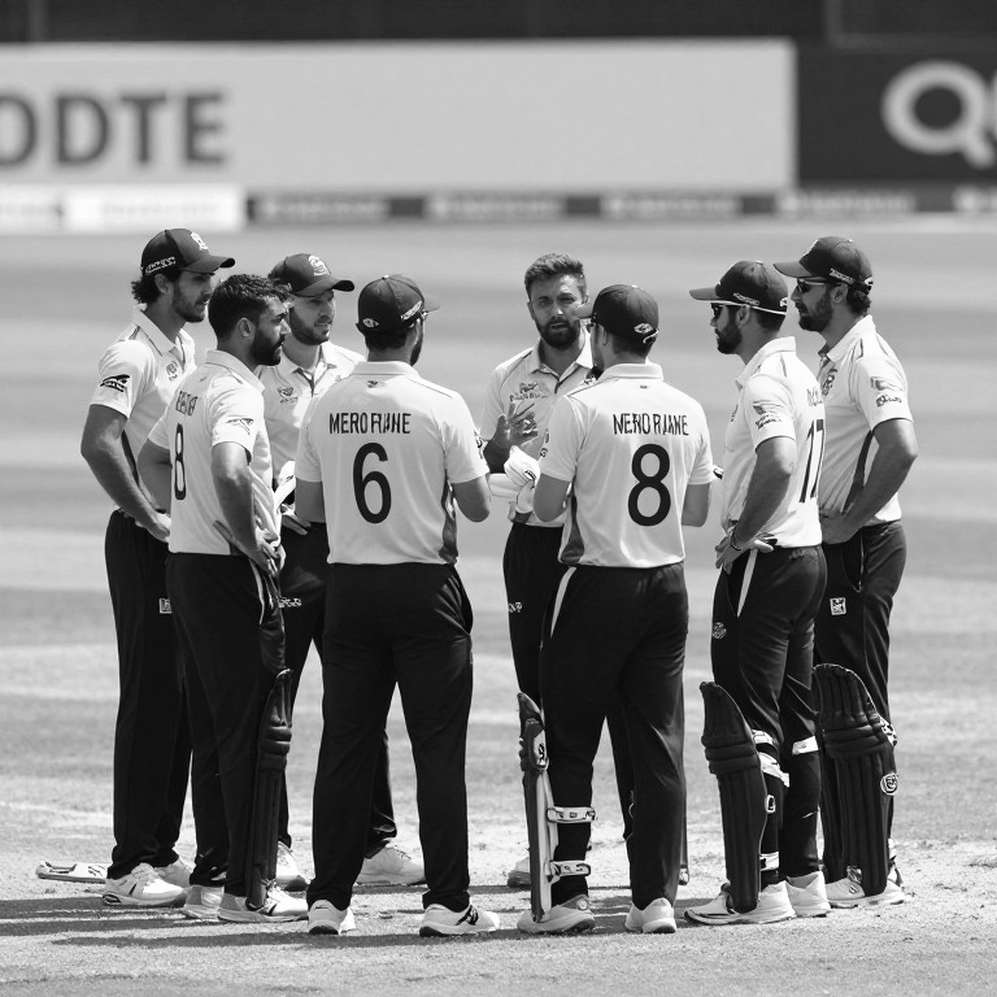
A Test match is decided by its pitch long before the toss decides it. Bangladesh selected three spinners for the Sylhet Test against West Indies — Mehidy Hasan Miraz, Taijul Islam and Naeem Hasan. It was not a gamble. It was a conventional Bangladeshi calculation: home surface, home climate, home ball. The Sylhet pitch did not keep that promise. Across five days the ball offered less grip and less turn than Bangladesh had planned around, and the numbers say the plan failed before the execution did. Taijul Islam and Naeem Hasan bowled 30 wicketless overs in the first innings. Mehidy Hasan Miraz was the only spinner among the three to take a wicket in that innings.
The captain, Nazmul Islam, said Bangladesh did not receive the pitch it wanted and that better discussion with the board and curators is needed for future conditions. That is a familiar sentence in Bangladeshi cricket, and it is also a sentence that has been repeated so often that it risks becoming a way of explaining results rather than changing them. The West Indies won the two-match series 1-0. The Sylhet Test itself was drawn.
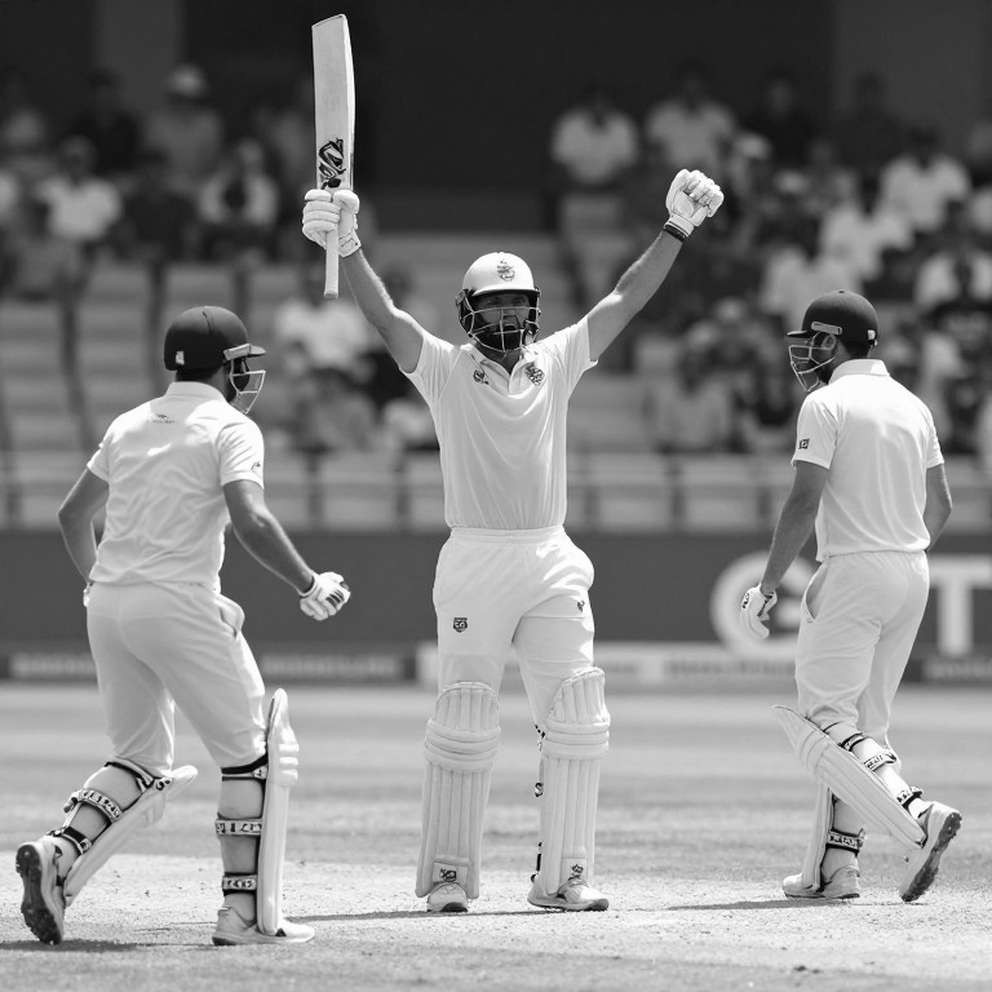
The draw should not be read as evidence that Bangladesh's home strategy worked. A drawn Test on a neutral surface is a small consolation, and the series result says the two-Test plan did not deliver. Jomel Warrican, the West Indies spinner, took seven wickets across Bangladesh's two innings. Bangladesh's three spinners took eight combined. On raw wicket count the numbers look similar. On the evidence of the match, they do not.
Warrican bowled on the same surface, with the same five-day deterioration available to him, and extracted more from it. That points to differences in accuracy, patience, variation and the ability to build pressure with dot balls. It does not point to a surface that defeated Bangladesh while handing Warrican the game. The pitch was not the whole story, and the captain himself accepted that the attack should have bowled better.
The second innings made that harder to dismiss. West Indies batters attacked, and attacking batters against spin on a slow surface offer two kinds of opportunity: a mistimed aggressive shot that produces a catch, or a loose ball on the turn. Bangladesh's spinners did not dominate those moments. When a batter attacks a spinner, the bowler who can hold his length and change pace at the release point often gets the edge. Bangladesh's spinners did not consistently hold their length or change pace at the release point.
This is where the analysis needs to be honest about what the evidence supports. A wicketless 30 overs is a warning sign in a three-spinner attack on a home Test pitch. It is not, by itself, a verdict on technique. Without economy rate, chances created, balls per dismissal and the phases in which the overs were bowled, the number cannot carry more weight than it should. What it does carry is enough weight to ask the question the public narrative has been avoiding: was the pitch the whole story, or did the bowling fail to exploit what little the pitch offered?
Bangladesh's failure was therefore two-layered. First, a selection assumption that the surface would assist spin early and increasingly over five days. Second, an execution shortfall that turned a manageable surface into a lost series. The first layer is a planning problem. The second is a coaching and bowling problem. Both belong to the team, not to the curators.
The governance angle is operational, not legal. Nazmul's request for better discussion with the board and curators is a reasonable process critique. There is no evidence of improper pitch preparation or any rule breach. The lesson is accountability across the planning chain: expected conditions should be communicated before the XI is finalised, and the captain and coaches must retain a workable contingency if the surface differs. A team can request or prepare for certain conditions, but a team also has to be able to bowl on whatever it receives.
The commercial transmission is real but small and unquantified. A home Test pitch that fails to align with the host team's strategy reduces the perceived quality and predictability of Bangladesh's home contests. There are no viewership or revenue figures in this case, so the effect cannot be claimed. If the pattern repeats, the reputational cost to Bangladesh's home Test product will accumulate slowly, and the selectors will be asked to justify every future three-spinner XI.
The draw, the 1-0 series defeat and Warrican's seven wickets point to the same conclusion. Bangladesh carried a tactical imbalance into a neutral surface and then did not out-bowl the opposition when the surface turned neutral. The next home Test XI is where the correction becomes visible: either the pitch report confirms real assistance, or the attack carries a seam option that can work on a flat deck. The question for the selectors is simple, and it is not about loyalty to any bowler: does this surface, as reported, actually justify a third spinner?
संबंधित खिलाड़ी
अनुशंसित
Virat Kohli Surpasses Ricky Ponting to Become the Highest ODI Run-Scorer Against New Zealand2026-11-08
Shadman Islam's Ankle and Bangladesh's Real Question: Auditing the Opening Slot Before South Africa2026-11-19
Sylhet's First Hour and the Five That Followed: Why Bangladesh's Attack Collapsed Into a Single Phase2026-11-06
Hormuz Depth and Dubai's Calendar: The File With No Cricket In It Will Decide Cricket's Next Schedule2026-11-04
अनुशंसित
Asian Cricket Analysis Requires Primary Information: Conclusions Are Risky Without a Match, Team or Scorecard2026-11-18
Jansen's Double No.1 and Abhishek's Return: The Ranking Maths That Goes Stale the Moment It Is Crowned2026-10-29
Rohit Sharma’s Duck Was Not the Real Story: The Jamieson Matchup, Rain and Eden Park’s Incomplete Lesson2026-11-05
Chasing 125 at Mirpur will be easy: Floyd Reifer2026-10-31
You Cannot File a Cricket Verdict on a Blank Sheet: The Ledger of an Empty Deconstruction and the Question Behind It2026-11-13
Gambhir's 'Win Every Match' Mandate and the Eden Park Test: India Chase 260 After New Zealand's 2592026-10-31
अनुशंसित
Why Hardik Pandya’s Return Is Stalled: The Match-Fitness Test Beyond Injury2026-11-22
MCA's AI Pilot: The Claim Arrives Before the Receipt2026-11-19
Arjun Rajput's Century and Hamza Zahoor's Unbroken Hundred: A Recovery Story in Oman's India-Pakistan U19 Clash2026-11-09
Thirteen Tests, One Mirpur Message: The Scorebook of Najmul Hossain Shanto's Restraint2026-10-30
Rohit Sharma at the Threshold of 21,000 Runs and 400 ODI Sixes: A Career the Numbers Cannot Fully Explain2026-11-04
Axar Patel at No. 5: Sunil Gavaskar's Defence and the Real Question Behind Gambhir's Call2026-11-20
अनुशंसित
Six Overs in Mong Kok: 31 Off Krunal's Over and India's 88 That Was Never Enough2026-10-31
Asian Cricket's Blank Page: The Calendar, the Commentary Box and the Second XI Question2026-10-31
The Real Game of the Transfer Market: In Cricket, You Pay for the Role, Not the Name2026-11-05
The Asia Cup Reserve Day Was Never About Rain — It Was About the Broadcast Window2026-11-06
The Real Invoice Behind Afghanistan's 113-Run Win: A 231 Total and Bangladesh's 25.5-Over Collapse2026-11-06
Ranji Crisis: Yash Dhull's Century a Relief for Delhi, But Accountability and Result-Closing Ability Under Scanner2026-11-06