
Cricket Report Halted by Empty Input: No Match, Player or Source Means No Defensible Conclusion
मुख्य उत्तर: उपलब्ध Stage-2 इनपुट में किसी मैच, टीम, खिलाड़ी, तारीख, स्रोत या सत्यापन योग्य तथ्य की जानकारी नहीं है; इसलिए वास्तविक क्रिकेट समाचार रिपोर्ट या रणनीतिक निष्कर्ष तैयार करना संभव नहीं है। मुख्य तथ्य: - Stage-1 में शीर्षक, स्रोत, विचार और Information Points खाली या N/A हैं। - किसी प्रतियोगिता, प्रारूप, स्थल या मैच-परिणाम की पहचान नहीं की जा सकती। - खिलाड़ियों, टीमों, स्कोरकार्ड, रैंकिंग और प्रदर्शन के आंकड़े उपलब्ध नहीं हैं। - मूल लेख की तारीख, प्रकाशन और लेखक उपलब्ध नहीं हैं। - Stage-2 विश्लेषण से आगे बढ़ने के लिए मूल लेख या भरा हुआ Stage-1 रिकॉर्ड आवश्यक है। स्रोत: उपयोगकर्ता द्वारा उपलब्ध कराया गया Stage-2 विश्लेषण; प्रकाशन तारीख उपलब्ध नहीं। CricSultan डेटाबेस से क्रॉस-चेक नहीं किया गया। संबंधित प्रश्न: प्रश्न: वास्तविक क्रिकेट रिपोर्ट तैयार करने के लिए न्यूनतम क्या चाहिए? उत्तर: मूल लेख या रिपोर्ट, शीर्षक, स्रोत, तारीख, टीमें, खिलाड़ी और कम-से-कम तीन सत्यापन योग्य तथ्य चाहिए। प्रश्न: क्या खाली Stage-2 विश्लेषण से किसी खिलाड़ी या टीम का अनुमान लगाया जा सकता है? उत्तर: नहीं, क्योंकि कोई नाम, प्रदर्शन डेटा या मैच संदर्भ उपलब्ध नहीं है। प्रश्न: अगला विश्लेषण कब किया जा सकता है? उत्तर: मूल स्रोत या पूर्ण Stage-1 सूचना उपलब्ध होने के बाद मैच, खिलाड़ी, टीम, जोखिम और उद्योग प्रभाव का विश्लेषण किया जा सकता है।
Hook: The first line of the scoreboard is missing
A cricket report usually begins with something small: a bowler changing his seam position, a captain moving a fielder a metre deeper, or a batter stepping outside the crease during the powerplay. In this case, that first observable detail is absent. The supplied Stage-2 analysis identifies no match, competition, date, venue, teams, player performances or original source. Every relevant field is marked “N/A — insufficient information.”
Writing about a win, defeat, selection decision, injury, strategy, ranking or commercial consequence under these conditions would turn analysis into invention. Cricket creates stories very quickly from empty spaces. A vague line can become a theory about the toss, the pitch, dressing-room tension or selection policy. Without an observable event, however, none of those theories can be tested.
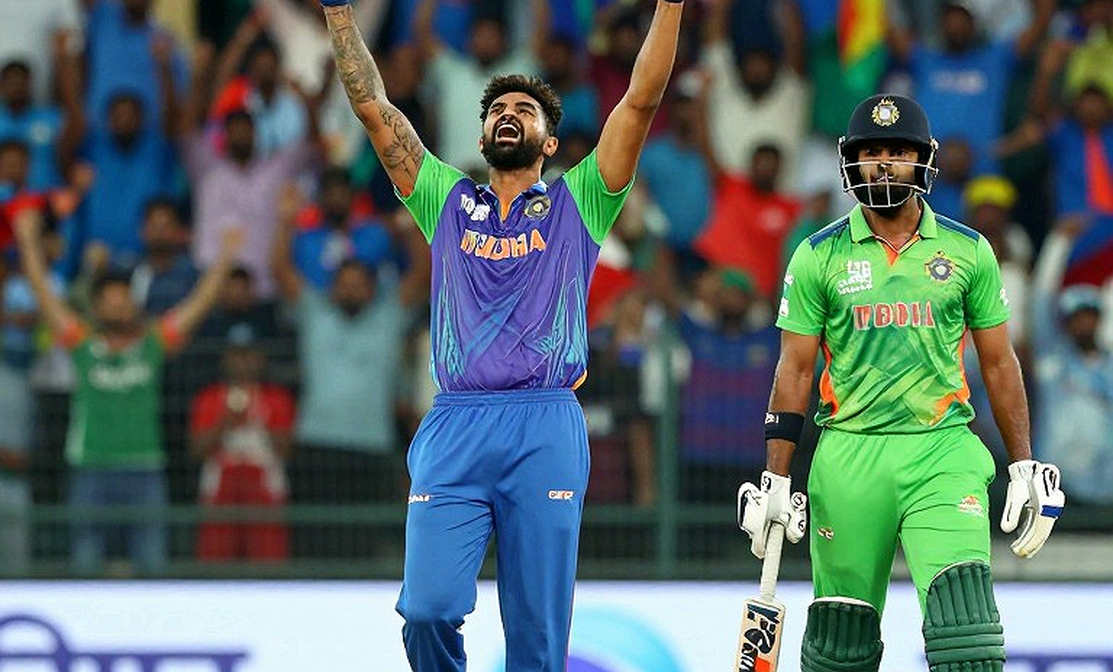
After watching matches from the 1990s through both the ground and the commentary box, I have learned that the most responsible sentence is sometimes the one that refuses to provide an immediate verdict and instead identifies the evidence still missing.
Context: How information should move from Stage-1 to Stage-2
A serious cricket report needs at least three layers. The first is the event: the match, format, date, venue and competing teams. The second is performance: runs, wickets, partnerships, over-by-over shifts, fielding and bowling roles. The third is context: recent form, selection reasons, injuries, weather, pitch, rules or tournament position.
The supplied analysis contains no usable fact from any of these layers. It does not establish whether the subject is a Test, ODI, T20, domestic match, women’s match, franchise league or international tournament. That makes it impossible to identify the decisive phase. Powerplay usage, middle-over control, death bowling, new-ball movement, reverse swing and spin matchups only have meaning when the format and conditions are known.
Player analysis is equally impossible. No player name is supplied, so there is no basis for comparing average, strike rate, economy rate, bowling length, left-right matchups, home-and-away splits or recent form. The absence of a team name also prevents a defensible assessment of ICC ranking, World Test Championship position, squad depth or combination.
The original article’s headline, publication, author and date are also missing. Source quality and time sensitivity therefore cannot be evaluated. There is no way to establish who made a claim, in what context, or whether a later correction changed it.
Core analysis: The most important fact is the absence of usable data
The central finding is that the input contains no verifiable information capable of identifying a cricket event.
That may sound obvious, but responsible sports analysis begins by recognising this boundary. Without a match name, the result cannot be reported. Without a date, recent form and timeliness cannot be measured. Without a scorecard, performance cannot be assessed. Without a source, claims and quotations cannot be checked.
The first step in match analysis is to stabilise the event. A decision to introduce a spinner in the sixth over can only be interpreted when we know the pitch, the number of left-handers at the crease, the fielding restrictions and the target. The same decision can mean something entirely different in another format or venue. None of those signals exists in the submitted material.
The same caution applies to player analysis. A low strike rate may reflect poor decision-making under pressure, or it may represent an innings that preserved the chase. An expensive spell may be a failure, or it may have come during the hardest phase with missed chances behind the bowler. Without ball-by-ball data, batting position and match state, numbers become decoration rather than evidence.
Team structure requires similar discipline. Batting depth is not simply the number of nominal batters in a lineup. The useful questions are who can rotate strike under pressure, who can handle the new ball and who can score against spin. Bowling balance depends on role, over allocation and field dimensions, not merely on the presence of four pace bowlers. Since no team or squad is identified here, none of those layers can be tested.
There is no foundation for commercial or governance analysis either. The input contains no auction, contract, broadcast-rights, salary, eligibility, integrity or rule-change information. Commenting on franchise valuation, player markets or league-versus-national-team tension would therefore be speculative.
Risk assessment is also event-dependent. Injury risk requires a named player and medical detail. Schedule pressure requires a calendar. An integrity concern requires a specific allegation, investigation or official statement. An empty input cannot produce a meaningful risk rating.
Based on my years of watching matches, one distinction returns again and again: the event visible on the field and the public story built around it are often far apart. A dropped catch may be poor fielding, a lighting problem or a bad body angle. A captain’s change may be pre-planned, or it may follow an injury. Good analysis demands evidence before it closes that distance.
That is why selecting a famous team or player and constructing a general tactical report would be misleading. In cricket, changing one name changes the entire tactical geometry. An off-spinner’s role against a left-hander, the same bowler against a right-hander and the field direction in each case cannot be treated as interchangeable.
Contrarian angle: Can a useful report be extracted from an empty analysis
One argument is that the framework contains enough categories to be filled with reasonable assumptions. A popular team or player could be chosen, and a general strategy piece could be produced. Such a piece might even attract readers. Its usefulness, however, would be superficial. It would be an essay about cricket, not a news report about a verified event.
A second argument is that the “N/A” output itself should become the story. That is a more honest direction, but it still requires restraint. The material does not establish why Stage-1 produced no usable information. The cause could be missing source text, an extraction failure, an incomplete submission or an incorrect input. The only defensible conclusion is that Stage-2 received no evidence from which cricket claims could be verified.
The correct response to empty data is not to fill the empty story; it is to specify the evidence needed for the next investigation.
The minimum requirement is clear: the original article or report; headline; publication; author; full publication date; competition; venue; both teams; relevant players; at least three factual information points; and, where available, a scorecard or official statement. Once these are supplied, match structure, player technique, team landscape, market impact and risk can be examined separately.
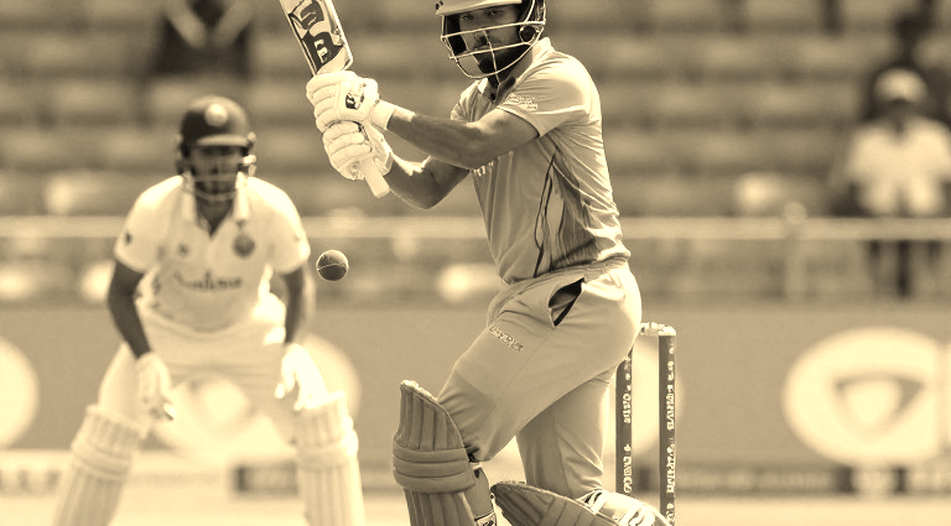
The next process should also be straightforward. Extract names, dates and events from the source. Cross-check every claim against a scorecard, official board release, ICC record or reliable publication. Only then should a tactical pattern be assigned meaning. I began recording pre-toss predictions in a notebook for precisely this reason: the important question is not merely whether a prediction was correct, but which evidence supported it and what could have disproved it.
Takeaway: What signal comes next
No match result, player-form assessment or team strategy should be published from the current material. The next useful step is to provide the original source or a populated Stage-1 record.
Once the headline, date, teams, players and several verifiable facts are available, it will be possible to ask whether the decisive change came from the captain, the bowler’s body, the pitch or the conditions. The next cricket story may begin with a fielder taking one step. Before that step can be interpreted, however, we need to know which match we are watching.