
Empty Input, Real Risk: The Cricket Analysis Pipeline Stopped Before the Match
मुख्य उत्तर: उपलब्ध Stage-1 सामग्री में कोई मैच, खिलाड़ी, टीम, स्रोत या तथ्यात्मक सूचना-बिंदु नहीं है; इसलिए क्रिकेट संबंधी निष्कर्ष निकालना संभव नहीं है। मुख्य तथ्य: - लेख का शीर्षक और स्रोत उपलब्ध नहीं हैं। - सूचना-बिंदु, सारांश और मुख्य दृष्टिकोण खाली हैं। - “cricket_world” लेबल अपेक्षित “Cricket” शब्दावली से मेल नहीं खाता। - N/A का अर्थ जोखिम-मुक्त नहीं, बल्कि आकलन न हो पाना है। - Stage 2 से पहले स्रोत-पाठ और फील्ड-पूर्णता जांचना आवश्यक है। स्रोत: उपयोगकर्ता द्वारा दिया गया Stage-2 Deep Professional Analysis; प्रकाशन तिथि उपलब्ध नहीं। संबंधित प्रश्न: प्रश्न: क्या इस सामग्री से किसी मैच का विश्लेषण किया जा सकता है? उत्तर: नहीं, क्योंकि प्रारूप, टीमें, परिणाम और मैच-संबंधी आंकड़े अनुपस्थित हैं। प्रश्न: अगला कदम क्या होना चाहिए? उत्तर: मूल स्रोत-पाठ और प्रकाशन-तिथि प्राप्त कर Stage 1 को दोबारा चलाना चाहिए।
The supplied Stage-1 material contains no match, player, team, source or factual information point. It therefore cannot support a news report about a cricket match, selection decision, player performance or commercial development. Filling those gaps with guesses would be invention, not analysis. The story available here is about a data pipeline that should have stopped before it reached the pitch.
The material states that the title and source are N/A; the summary, author stance and core viewpoints are blank; and there are no information points. The “Entities Involved” field contains an instruction to identify entities from those points, but there are no points from which to identify them. A domain label, “cricket_world,” is present, but it indicates only a broad cricket category. It does not tell us whether the subject is a Test, ODI, T20, league, board decision or broadcast-rights deal.
There is no evidential basis for a cricket conclusion. No claim can be made about the powerplay, death overs, pitch, toss, weather, target, run rate or clusters of dot balls. Player averages, strike rates, bowling economy, recent trends and injury context are also absent. Without teams and a venue, home-away records and match context cannot be assessed. The same applies to auctions, salaries, franchises, broadcast deals, rule changes and disciplinary matters: none is identified in the supplied facts.
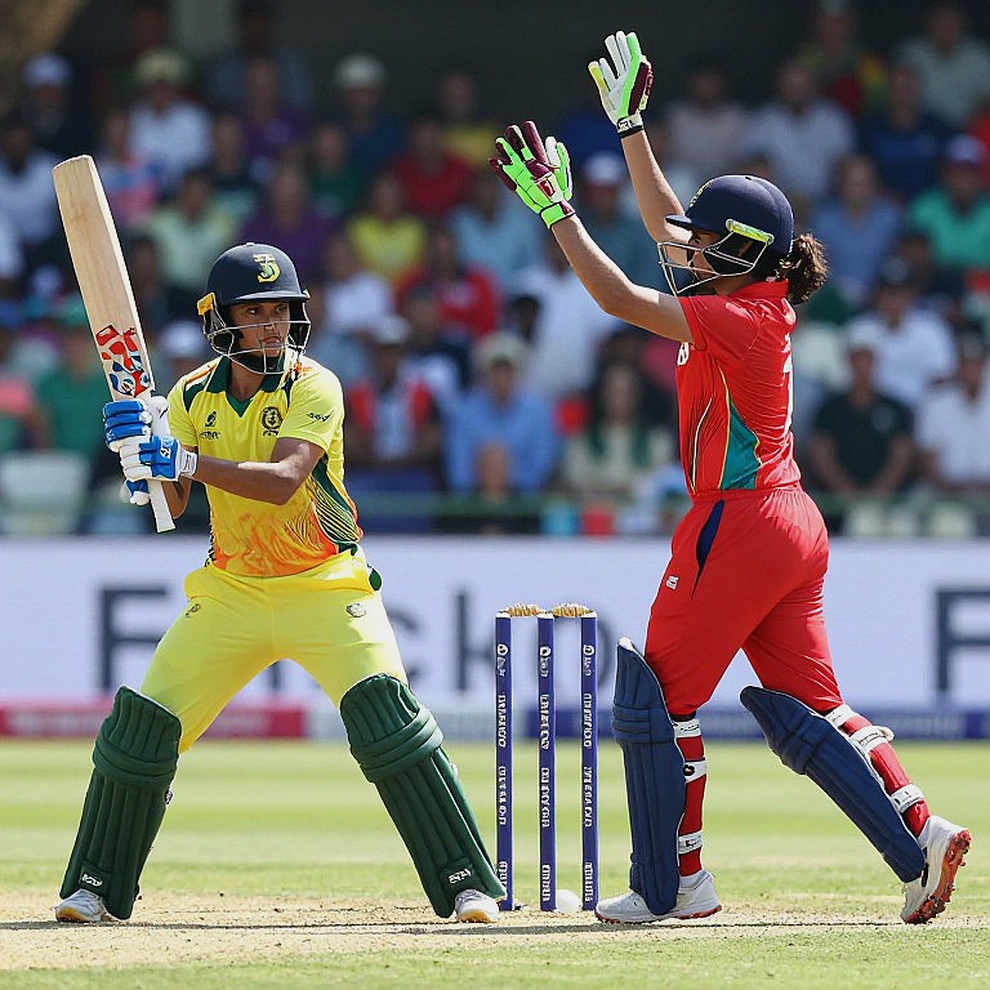
Format is not decorative context in cricket. In Tests, the new ball, long periods of batting and declarations matter. In ODIs, the balance between powerplay and middle overs is read differently. In T20 cricket, the 20-over limit changes both batting risk and bowling roles. Without a format label, there is a real danger of applying one format’s assumptions to another. Here, even that first condition is missing.
Years of watching matches and reading scorecards ball by ball have taught me a practical rule: establish what the record contains before asking what it means. I began with the dot-ball ledger, and those small zeros can often reveal the actual shape of a contest. In this case, however, there is no delivery record: no scorecard, over-by-over account or result. Claiming to uncover the story hidden in the zeros would be misleading; the absence is in the source material itself.
The most useful conclusion in the supplied Stage-2 analysis concerns the process, not a match. It suggests that the absence of a title and source may indicate a failure at retrieval or text extraction, upstream of summarisation. That is a plausible explanation, not a confirmed cause. It also notes that “cricket_world” differs from the expected “Cricket” vocabulary, raising the possibility of a schema or version mismatch between stages. Those are leads to investigate, not established technical diagnoses.
The central risk is that a complete-looking report can make readers believe the review was finished and no problem was found. The document contains eight sections, tables and risk categories, but N/A does not mean “no risk.” It means “not assessed.” Declaring sporting, personnel, commercial or rules-related risks clear would be wrong because no subject has been identified. That distinction matters both editorially and operationally.
If a document like this is sent to a dashboard, alerting system or recommendation engine, its structure may be mistaken for evidence of coverage. An automated system could record that cricket analysis exists when the actual position is the opposite: the analysis has no evidential foundation. This output should not be treated as a clean bill of health or a negative finding about cricket. The more accurate classification is a null result produced from invalid or incomplete input.
The safe editorial decision is to pause publication and inspect the source. Recover the original article title, link or text; record its publication date; and verify whether the page content was actually extracted. If a paywall, JavaScript rendering or regional restriction prevented access, record that explicitly rather than filling the gap by inference. These are troubleshooting possibilities, not facts established in this case.
A minimum quality gate can then be applied to Stage 1. If the title, source, publication date, factual points, identified entities and subject classification are empty, Stage 2 should not proceed automatically. Format-specific analysis requires a label such as Test, ODI or T20; non-match material should be explicitly marked as such. The domain label should also be checked against the permitted vocabulary so that a value such as “cricket_world” does not pass downstream without conversion or a warning.
There is an uncomfortable but necessary point here: a longer report, more tables or more confident prose cannot compensate for missing evidence. They can instead persuade readers that a deeper review took place. Source quality was not assessed either, so the material cannot be attributed to a news organisation, board, player or independent reporter. No external fact or statistic can be verified against the supplied record, so adding one would be inappropriate.
The corrective sequence is straightforward. Check whether the original URL or document reached Stage 1. Confirm that the parser extracted text. Then run completeness and domain-label contract tests. If the content is recovered, extract the facts, record the source and date, and begin cricket analysis. If it cannot be recovered, log the failure clearly and do not convert it into a sporting conclusion.
The supplied material indicates that this empty payload was detectable: required fields were blank and no information points were recorded. That does not prove the system will always catch such failures, but a basic non-empty-field check could have stopped this example before Stage 2. Preserving the N/A entries was also valuable: it prevented invented players, teams and scores. The objective is not to remove honest null handling, but to trigger it early enough.
The next step is not a fictional match analysis; it is recovering the source. Once the original article and publication date are available, and its factual points identify the relevant team, player, board or league, the analysis can ask what drove the performance or decision. Until then, the sound conclusion is this: this is not a negative report about cricket; it is a notice that the material needed to write one was not supplied. Which quality gate will stop the next empty payload before it reaches Stage 2?