
Hardik Pandya Wins $100,000 in MrBeast Baseball Challenge; Claim of Donating Entire Prize to Charity Remains Unverified
हार्दिक पांड्या 31 अक्टूबर को जारी MrBeast के YouTube वीडियो "Beat Professional Athlete, Win $100,000" का हिस्सा बने और वीडियो के अनुसार 1,00,000 डॉलर का इनाम जीता। वीडियो में उन्होंने कहा कि उन्होंने पहले कभी बेसबॉल नहीं खेला था, और तीन गेंदें स्टेडियम के बाहर गईं। भारतीय क्रिएटर कैरीमिनाटी भी वीडियो में नज़र आते हैं। चैलेंज का सटीक ढांचा — कौन पिचिंग कर रहा था, कितने प्रयास मिले, और इनाम किस शर्त पर मिला — स्पष्ट नहीं है। सबसे अहम बात: "हार्दिक ने पूरा इनाम चैरिटी को दान कर दिया" का दावा केवल सुर्खी में है, मुख्य रिपोर्ट में नहीं, और स्वतंत्र रूप से अनपुष्टि है। इसे तथ्य के रूप में न दोहराएं जब तक चैरिटी, वीडियो या MrBeast की टीम से पुष्टि न हो जाए। वीडियो के अपलोड का साल भी नहीं बताया गया है, इसलिए दी गई तारीख अधूरी है।
Seeing Hardik Pandya on a cricket field is routine. But in a YouTube video released on 31 October, the Indian all-rounder was shown standing at home plate with a bat — and according to the video's own claim, he won $100,000 in the challenge.
The video was published on the channel of American content creator MrBeast (Jimmy Donaldson). Its title is "Beat Professional Athlete, Win $100,000." That format plainly states that defeating a professional athlete earns one hundred thousand dollars. Hardik also said in the video that he had never played baseball before — that is his own statement, recorded in the same video.
This report states only what can be directly observed in the video, and also states clearly what remains unverified. Because this story contains one element that is being shared the most and confirmed the least — the claim that the prize money was donated to charity.
What the video shows
Everything described in this section is taken from watching the video: Hardik Pandya took part in MrBeast's challenge, was shown playing baseball, and the video ends with the announcement of a $100,000 prize. The video also shows three balls from his bat leaving the stadium. One technical distinction matters here, however — in baseball, a "home run" and "a ball leaving the ground/stadium" can be different events, and it remains to be settled which one the video actually depicts. Without precise terminology, the detail stays incomplete.
Indian creator CarryMinati (Ajey Nagar) also appears in the video. From an Indian audience's point of view, this is the strongest "why we are covering this" argument in the whole story — an Indian creator appearing in a global MrBeast format. But in the available material there is not a single statement from CarryMinati; he is mentioned repeatedly and quoted zero times.
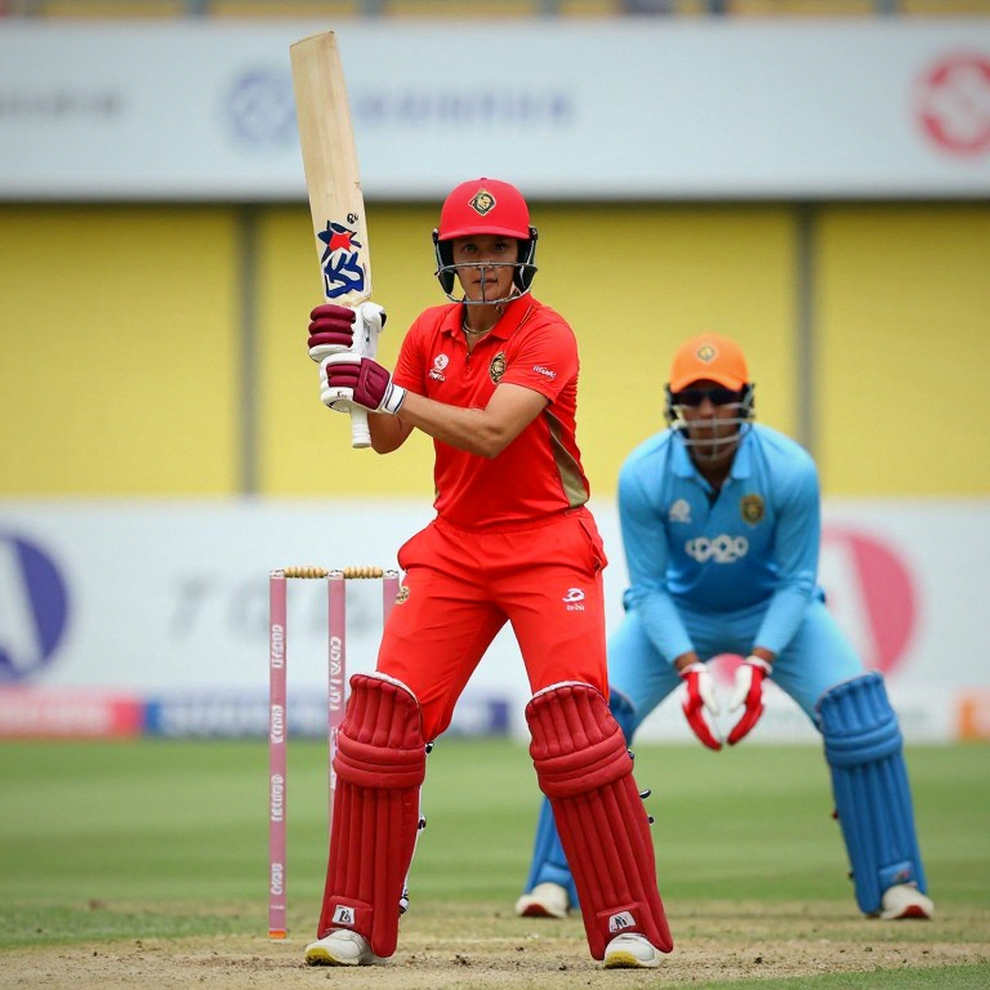
Several other big names are referenced around the video — LeBron James, Erling Haaland, Simone Biles and Caitlin Clark. Notably, this list contains stars from basketball, football and gymnastics, but not a single baseball player — and it appears in a story about a baseball challenge. It is also unclear whether these people appeared on camera or were merely named for reference. If it is the latter, the list is not part of the news but padding.
The charity donation claim: the biggest question
The part of this story going most viral is that Hardik Pandya donated his entire prize money to charity. This claim is present in the headline, but in the body of the report on which that headline was built, it appears nowhere. This is not merely an editorial slip — it is the story's central credibility defect, because the donation is precisely what makes the story worth sharing.
There are three basic questions that should have been answered and were not:
First, which charity? No organisation is named.
Second, how much money actually reached it? The full $100,000, or something less after tax, or an amount disbursed through the channel? In MrBeast's format the channel often disburses the prize itself. In that case, saying "Hardik donated" may misassign both agency and credit.
Third, who decided? Hardik, or the video's format? There is a big difference — one is a personal decision, the other is part of a production.
There is another risk attached to this claim: if the headline was written from a social media post or from Hardik's own caption rather than from the video or a charity's confirmation, then the report is presenting a promotional claim as a journalistic fact. Charity-related claims are sensitive both legally and reputationally, and publishing them without independent confirmation is risky.
So it must be stated plainly: the claim that the entire prize was donated to charity is currently unverified. Before repeating it as fact, at least one of three things is needed — a statement in the video, public confirmation from the relevant charity, or confirmation from MrBeast's team.
The contest mechanics are unclear
The video's title says beat a professional athlete and win $100,000. In that format professional athletes act as "gatekeepers" and a challenger comes to beat them. But the story has been framed as Hardik Pandya defeating MrBeast. Those are plainly not the same contest, and the report never explains what actually happened.
Some basic questions with no answers:
Who was pitching and who was batting?
How many attempts did Hardik get? This matters, because edited challenge videos routinely contain many attempts and show only the successful ones. If that happened here, both "a good performance" and "three balls out of the stadium" need to be re-examined.
What exactly triggered the $100,000 — beating a professional, beating MrBeast, or reaching some home-run threshold?
And the most interesting question: was Hardik there as the challenger, or as the "professional athlete" others had to beat? A cricket professional in a baseball contest could itself be a funny piece of casting.
Without these answers, "Hardik won $100,000" is compressed, but not proven accurate. This is the second-biggest weakness in the story — the outcome was reported, the game was not described.
"Never played baseball before" — whose statement is it
In the video, Hardik Pandya says he had never played baseball before. The line was picked up widely, because it adds an underdog flavour to the story — a cricketer who never played the sport, going straight into an American challenge and winning.
But caution is needed. This is the player's own statement, and in the content-video format that kind of modesty is often part of the performance. Saying "Hardik never played baseball" — that is, treating it as fact — would be wrong. The correct formulation is: "According to Hardik's own statement, he had never played baseball before."
Likewise, something like "Hardik put up a great performance" is a reporter's opinion, not a fact. In straight news it should either be dropped or clearly labelled as opinion. In this story the opinion sits directly next to factual claims with no hedging.
Why understanding the MrBeast format matters
MrBeast's channel is defined by large-scale challenge videos with big prizes and heavy production. Such videos typically have many participants, many rounds, and the edit keeps only the most dramatic parts. That does not mean what is shown is false — but it does mean reading the video as a "report" is dangerous.
When a media report is built directly on such a video, it must do two things: give the video link and timestamp, and say which claims come from the video and which come from elsewhere. This story does neither. Eleven of fourteen information points in the underlying report carry no source at all. For a story whose entire evidence base is one video, every observational claim should have carried a citation to it.
Where Indian cricket meets American baseball
The interesting thing about this story is that it has been placed in the "cricket" category when there is no cricket in it. It is a creator-economy and celebrity-crossover story, whose Indian connection runs through Hardik and CarryMinati.
That is itself a major angle that was not used properly. An Indian cricketer going into an American baseball format, and an Indian creator being in the same video — that is a story about Indian presence in the global entertainment industry. But the report only brushes past this angle.
It should also be remembered that baseball is not a popular sport in India. For an Indian reader this story rests essentially on the feeling of "our player made it there," not on the technical side of the game. That is exactly why the charity claim becomes so important — it gives that feeling moral elevation. And that is exactly why publishing it without confirmation is the biggest mistake.
Hardik's career context
The report contains no career context for Hardik — neither where he stands in his career right now, nor when and why this video was made. A player appearing in entertainment content is news in itself, but to understand it one needs to say which stage of his career it came at.
That information was not available to the story and is not present in the report. Without it, the story remains a description of a viral video rather than a report that helps anyone understand a player.
The rupee conversion question
In several places the prize is being presented converted into rupees. Caution is needed here. The exact conversion rate depends on the date the story was published, and no publication date is recorded in that report. So this story uses the dollar figure stated in the video and does not repeat any estimated rupee number as fact.
The dating problem
The video's upload date is given as 31 October, but the year is not mentioned. For a story based on a viral video, whose shelf life expires in days, this is a basic failure. Without a year, the story can neither be placed in chronology nor archived.
So what is certain now
First, it is certain that Hardik Pandya took part in a MrBeast video that featured a baseball challenge with a $100,000 prize. That claim rests on the video and should be repeated only by citing the video.
Second, it is certain that Hardik himself said he had never played baseball — but that is his statement, not a verified fact.
Third, it is certain that CarryMinati appears in the video.
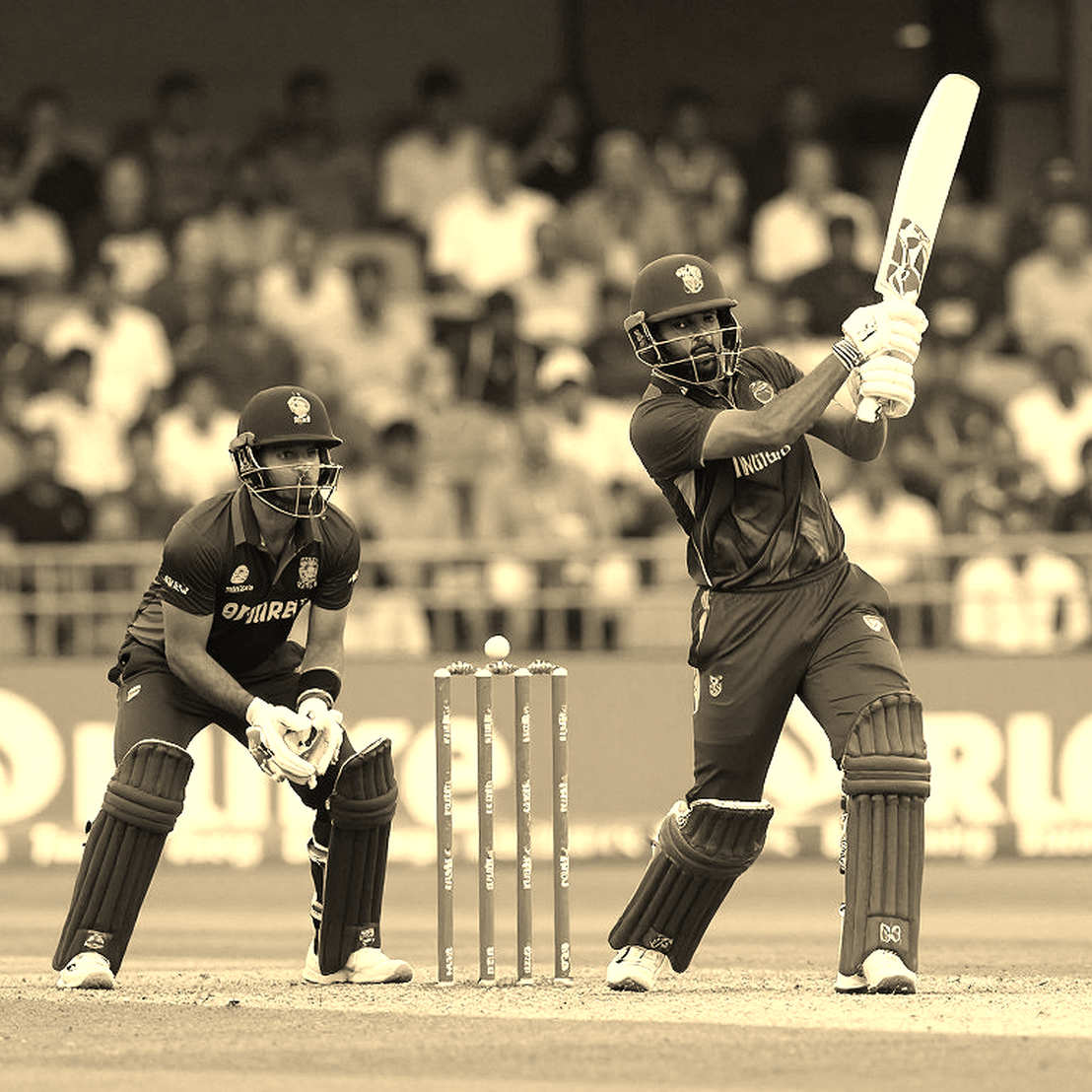
And what is not certain: the claim that the entire prize was donated to charity. Do not repeat it without independent confirmation.
What to look for next
Making this story complete requires a few things. The timestamp of the home-run sequence in the video and the number of attempts should be recorded. It should be established what the prize was awarded for. The origin of the donation statement — spoken in the video, written in a post, or said in an interview — should be located and quoted verbatim. The charity's name should be identified and its public acknowledgement checked. And the year should be written alongside the date.
The real problem with this story is not that what it verified is wrong. The video-observable claims are low risk. The problem is that the one claim it did not verify was placed at the very top — and the game that gave that claim its meaning was never described at all.